
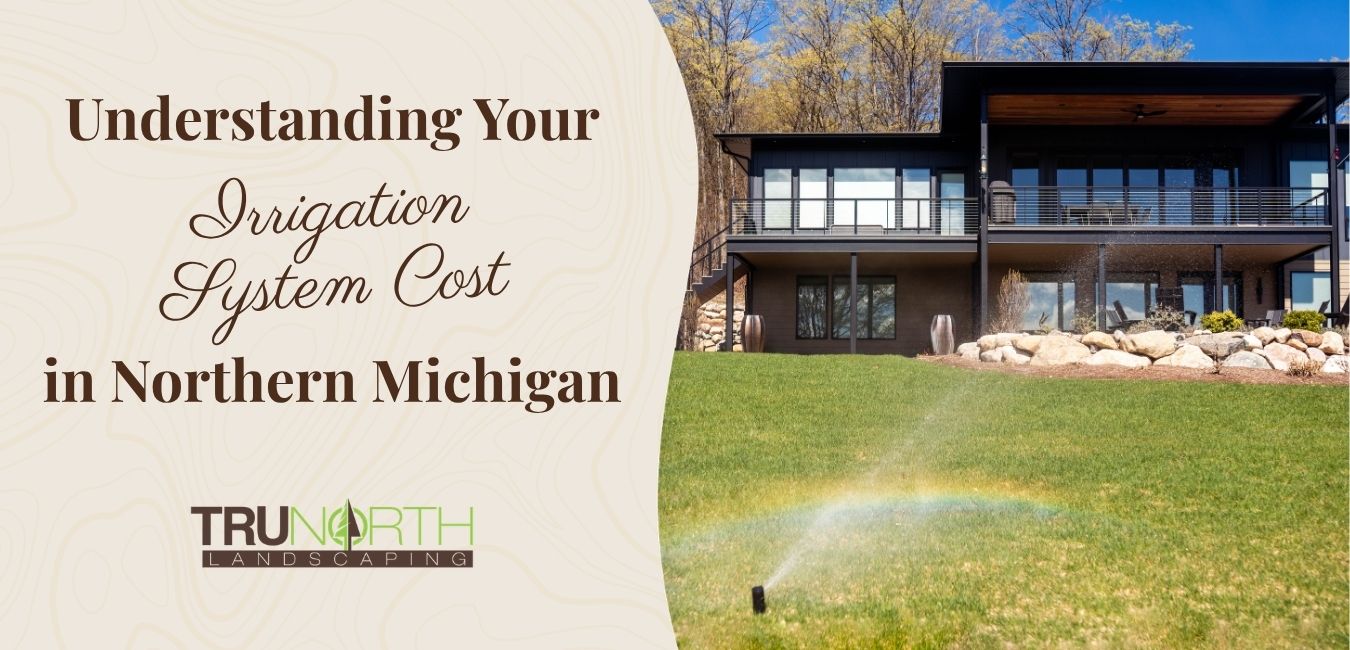
Dragging hoses across your lawn on a hot June evening wastes your time and waters your grass unevenly. If you plan to install a custom underground setup, calculating your potential irrigation system cost helps you budget before the shovels hit the dirt. A professional layout keeps your turf green and your garden beds healthy without the daily chore.
Every property requires an individual site assessment. However, a realistic baseline for a professional TruNorth installation costs around $1,500 per zone.
A quick note on pricing: This baseline reflects TruNorth Landscaping’s specific design standards, commercial-grade components, and specialized installation practices. Final costs vary by project, and estimates across different regional contractors will fluctuate based on equipment choice and layout methods.
Your final quote reflects your specific soil, your unique terrain, and your automated design goals. Here’s how that investment breaks down.
What a Single Irrigation Zone Includes
We price professional installations by the watering zone rather than a flat square-footage rate. A zone is a distinct section of your property managed by a single water valve. This setup allows different areas, like a sunny front lawn and a shaded backyard garden, to receive custom amounts of water.
A single-zone baseline includes:
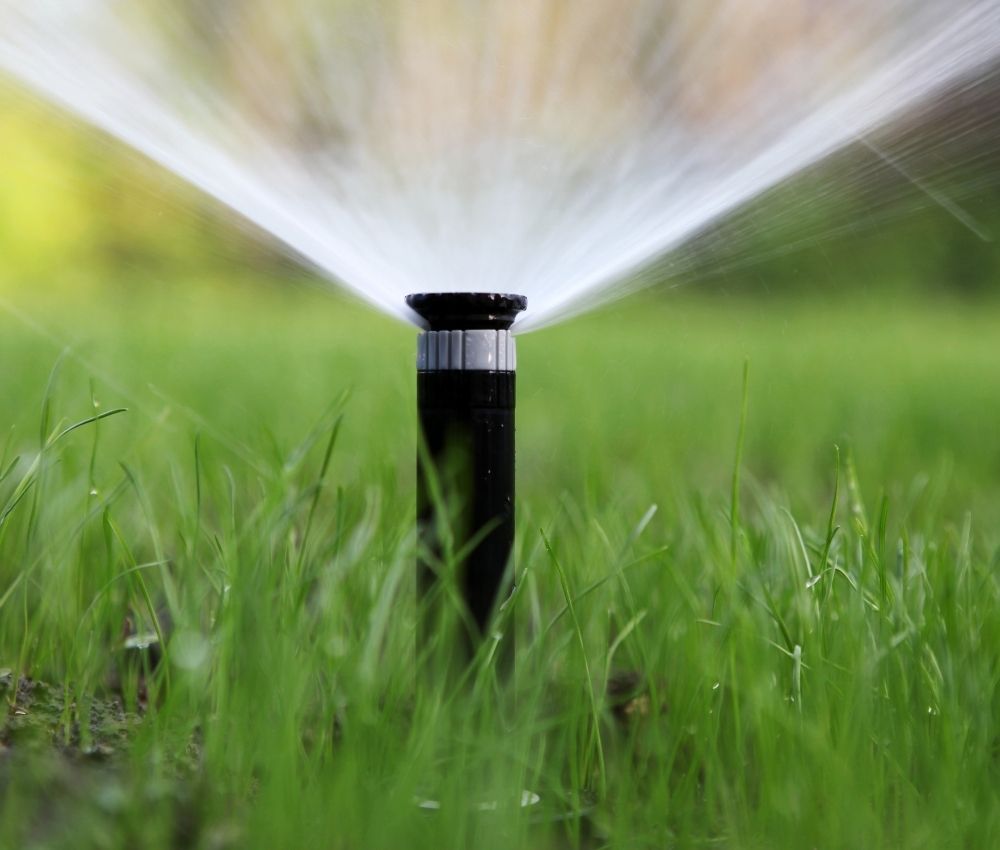
3 to 5 commercial-grade spray heads
mapped for head-to-head coverage. This means spray patterns overlap completely to eliminate dry patches.
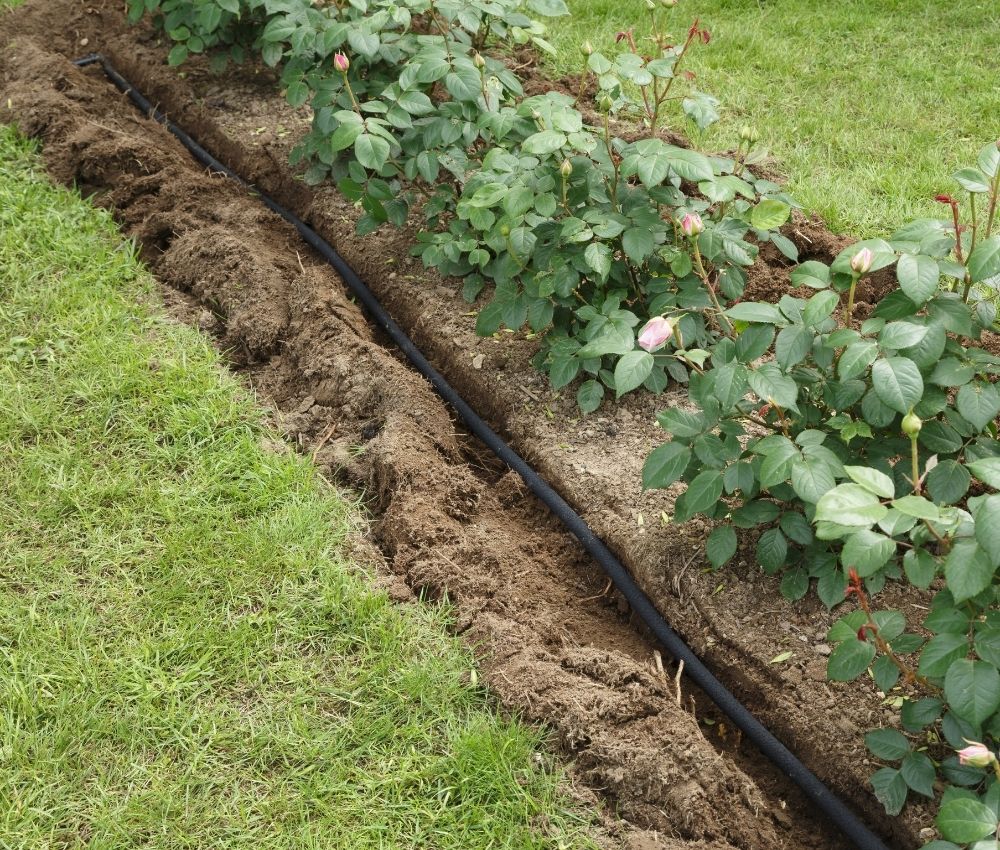
Professional trenching
and durable underground lateral lines.
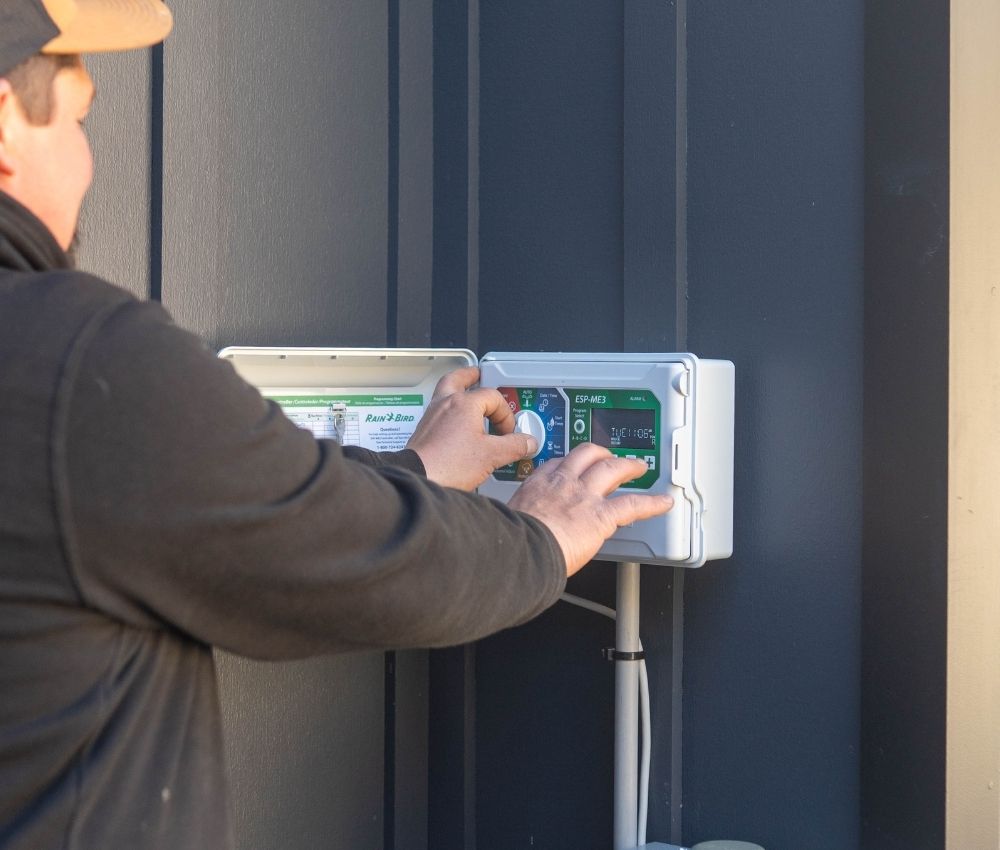
Installation of a smart irrigation controller
to automate your schedule.
According to research from Today’s Homeowner, the average residential yard size in Michigan sits right at a half-acre. For a typical half-acre property with a mix of front turf, backyard grass, and foundational side beds, you can expect a layout requiring five to six zones. Using our baseline math, a complete underground network for a standard half-acre property can cost between $7,500 and $9,000.
Real-World Variables That Shape Your Estimate
A baseline gives you a starting framework, but real yards bring real variables. Several technical factors change your final irrigation system cost across our regional communities.
- Existing Landscapes and Clean Slate Lots: Laying pipe through an open, dirt-filled lot on a new construction build moves quickly. Installing a system in an established yard in Lake Ann or Glen Arbor requires high precision. Our team works carefully around existing brick patios, walkways, and mature root systems to protect your current landscape investments.
- The Plumbing Connection: Your system must tie safely into a main water source. A critical element of this hookup is the backflow preventer. This mandatory safety device stops non-potable water from siphoning backward into your clean household drinking supply. The complexity of your home’s current plumbing footprint determines the initial hookup labor.
- Water Source and Volume: Available water pressure determines how many heads run simultaneously on one valve. Lower water volume means smaller zones. If your property relies on a well with lower water pressure, it may require dividing that same half-acre into more total zones to cover the acreage effectively.
Related Reading: Common Misconceptions about Northern Michigan Lawn Care
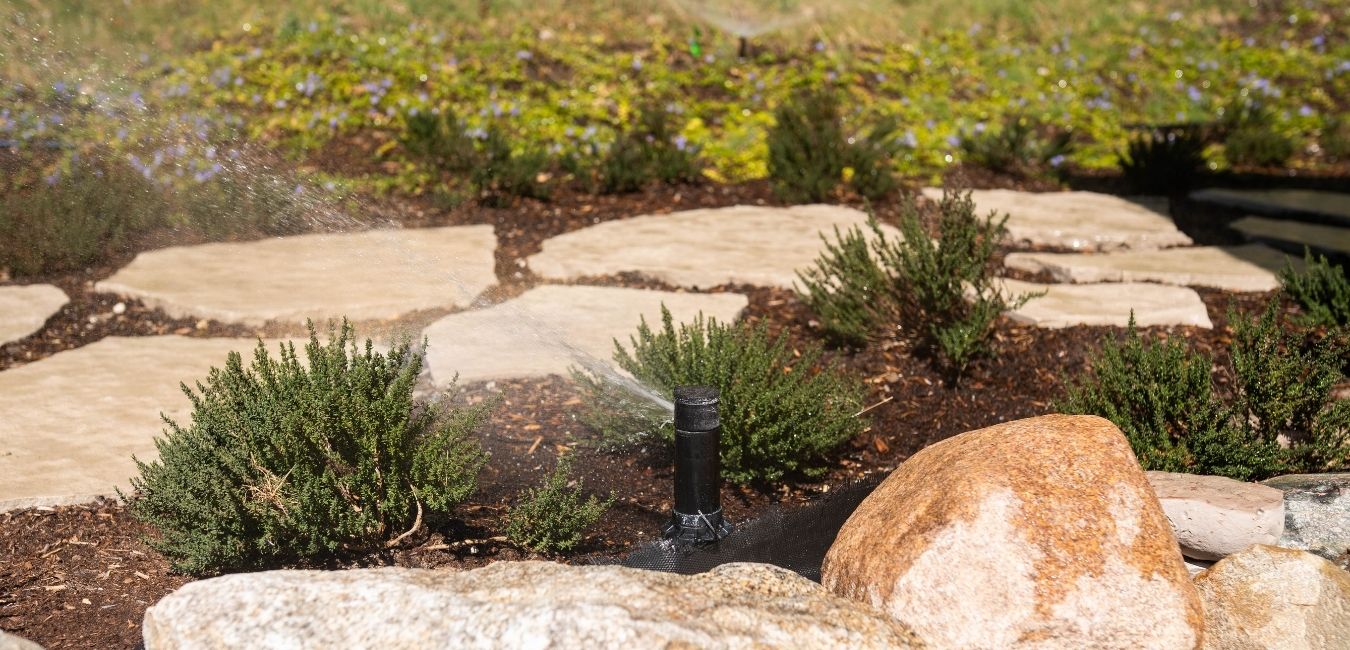
Designing Your System Beyond the Turf
An underground system relies on specialized components to balance your total irrigation system cost with long-term water efficiency. Integrating your watering infrastructure directly into your broader landscape plans allows you to automate areas most people overlook.
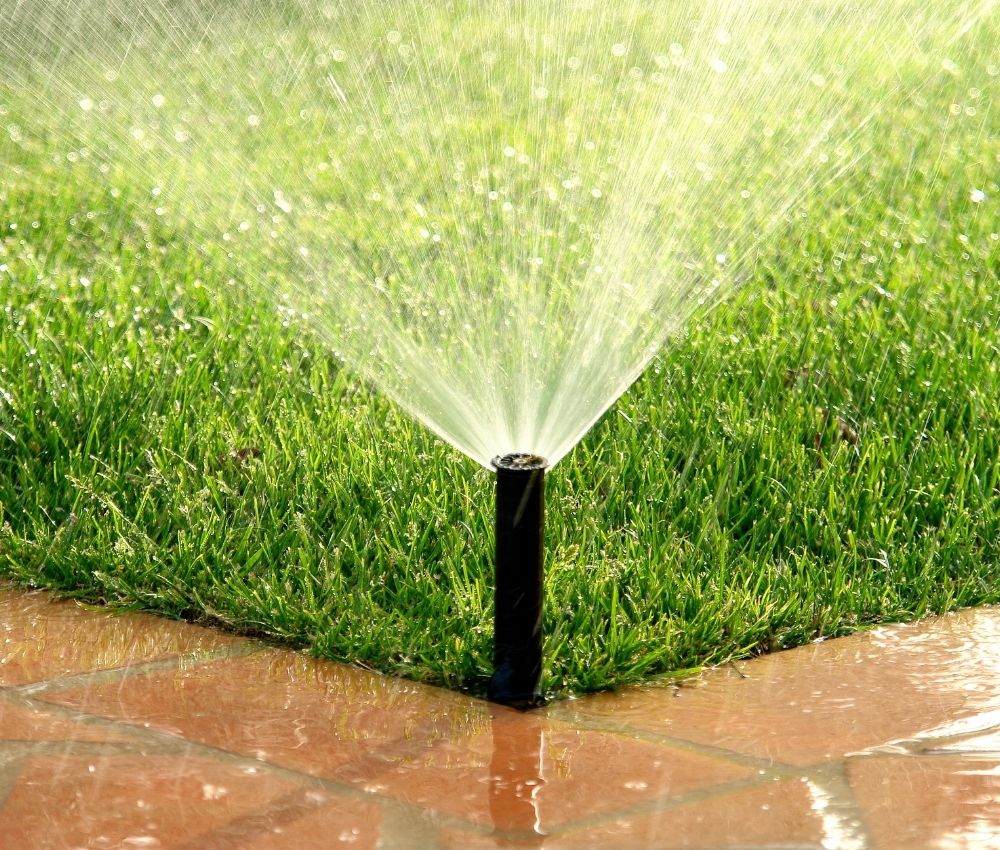
Traditional Pop-Up Sprays
These work best for small, flat turf areas and straight borders. They offer close-range watering with crisp boundaries.
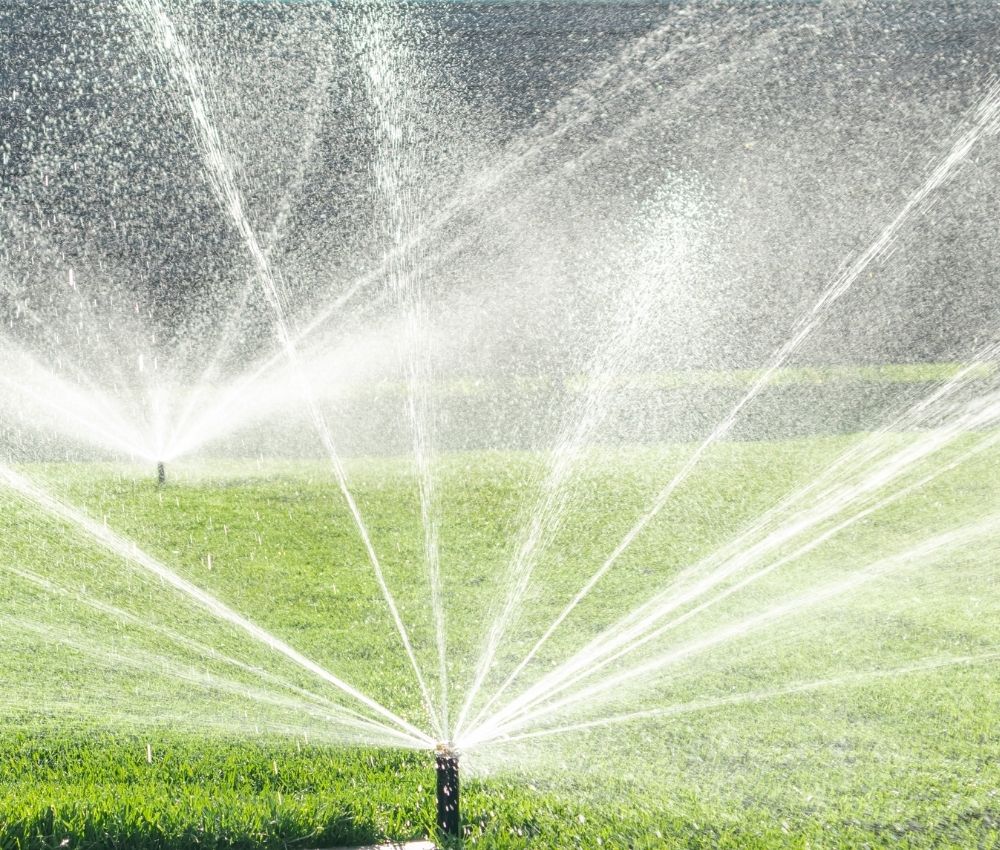
Rotor Heads
These work best for large lawns, deep yards, and sloped spaces. Rotors shoot water in long, sweeping arcs to cover wide areas with fewer heads.
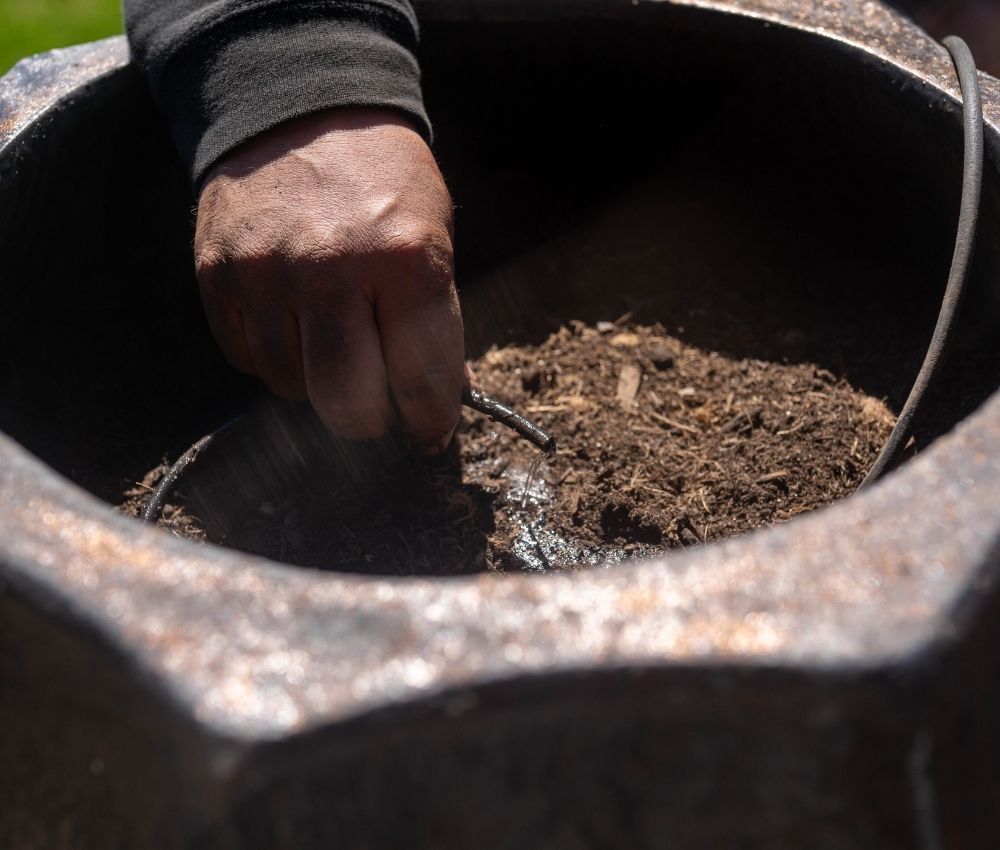
Low-Volume Drip Lines
These work best for garden beds, foundation plants, and shrubs. Drip lines apply water slowly right at the soil level, minimizing evaporation.
High-Value Micro-Irrigation Upgrades
You can extend your network right up to a deck or front porch. Small, hidden micro-tubes deliver targeted hydration straight to the soil of your flower pots and hanging displays, protecting your delicate seasonal arrangements.
New trees require deep, focused watering at the root base for 45 to 60 minutes daily during the first month. Spraying leaves with a standard lawn head leads to quick evaporation and fungal diseases. Dedicated low-pressure drip zones wrap around the base of your plantings to feed the roots efficiently without wasting water.
How Soil and Weather Affect Your Design
Our local geography dictates how we engineer your system. An off-the-shelf, one-size-fits-all layout fails in our regional climate.
- Beach Sand Near the Lakeshore: Homeowners living close to the Grand Traverse Bay or Crystal Lake deal with highly sandy soil that drains almost instantly. These properties demand shorter, more frequent watering cycles because moisture sinks past the root zone quickly.
- Loomy Forest Soils Inland: Further inland across Grand Traverse and Leelanau counties, the ground features richer soil. These areas hold onto water much better than shoreline sand, meaning your system can run longer, less frequent cycles without drowning your grass.
- The Freeze-Thaw Cycle: Across North Michigan, professional installation depth matters. Any system built here must be engineered for easy maintenance. Leaving water in underground lines during our freezing winters cracks pipes and ruins valves.
Real Field Expertise Matters
Whether you want to install a brand new underground network around an existing home or integrate custom drip lines into an upcoming design plan, our specialists are ready to look at the numbers. Let’s sit down for an irrigation consultation to map out a precise solution that keeps your landscape thriving all summer long!

Want tips and tricks for your lawn & landscaping?
Sign Up For Our Free Quarterly Newsletter
We take your personal information very seriously. We will not share any of the information you provide with any 3rd parties. Provided information will be used specifically to contact you in regards to your inquiry.