

Late summer in Northern Michigan is hard to beat, but mid-August heat can leave a property feeling a bit tired. Whether you are caring for a cottage garden along Glen Lake, a lawn in Traverse City, or a wooded retreat in Benzie, seeing thin grass or leggy perennials this time of year simply means your yard has been working hard all season.
Rather than waiting for autumn to clean things up, this mid-month stretch gives you a fresh chance to reset.
Learning how to revive a dry lawn and give your garden beds a second wind right now is the secret to keeping your property vibrant straight through October. Mid-August is the ultimate pivot point. Instead of letting your yard slide into early dormancy, a few smart steps today will wake your plants, protect your turf, and build strong roots before fall arrives.
What to Cut Right Now and What to Leave Alone
By middle August, many early bloomers have poured their energy into making seeds.
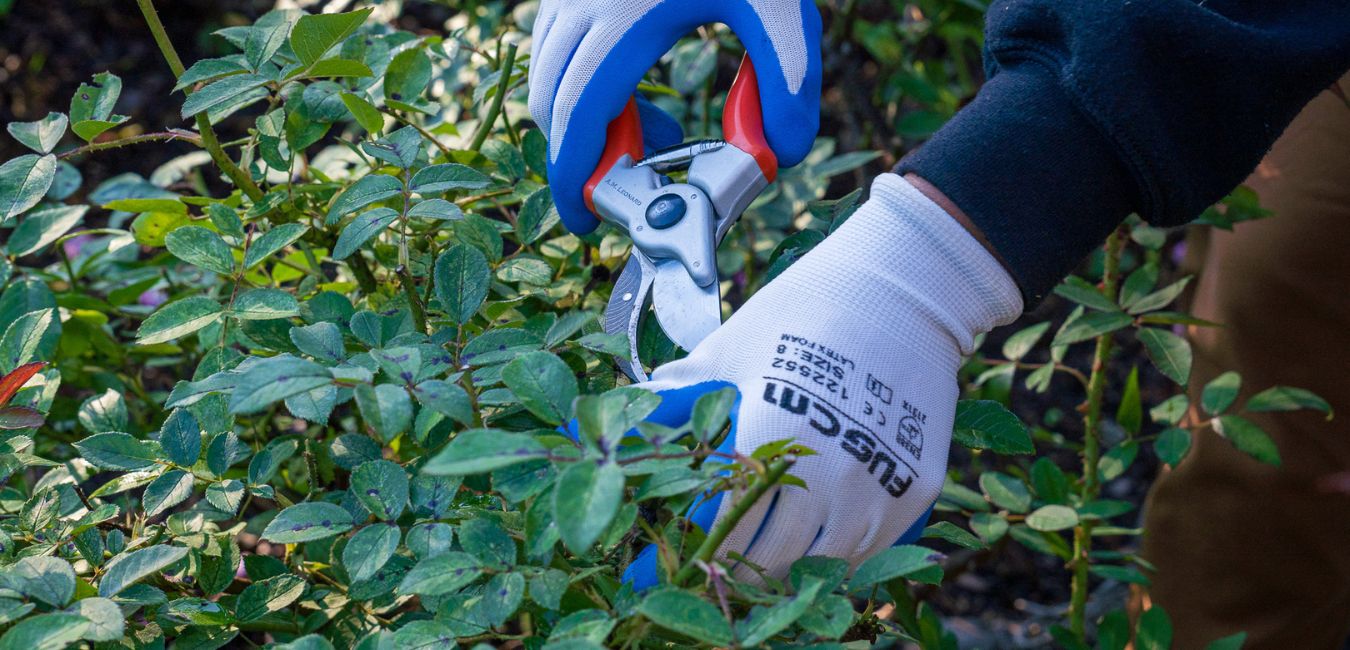
Snip them back!
Trimming spent flower heads redirects that plant energy away from seed production and straight down into new stems and healthy roots. Knowing where to make your cuts makes all the difference:
- Perennials That Need a Trim
Catmint, salvia, and lavender love a light shearing right now to clear off old stalks and trigger fresh green leaves. Daylilies and hostas need their dead flower stems cut clean at the base so the beds stay neat. - Coneflowers and Black-Eyed Susans
Snip off the first round of dead blossoms today so the plants push out a fresh batch of blooms in September. Once fall hits, leave the last round of seed heads on the stems to feed hungry winter birds. - Hydrangeas (Hands off!)
Never hard-prune bigleaf or oakleaf hydrangeas in late summer. They’re already forming next year’s flower buds right under the surface, so cutting them back now means losing your spring blooms.
Cleaning out spent blossoms and sprawling stems gives your flower beds instant definition, making the whole property look well cared for again.
Related Reading: Annuals vs. Perennials in Northern Michigan
August Reset for Tired Annuals
Unlike perennials, annuals don’t need to prepare for winter dormancy. Their sole goal is to bloom until the first killing frost, but by mid-August, potted plants and hanging baskets often look leggy or exhausted.
Give your annuals a quick mid-season tune-up:
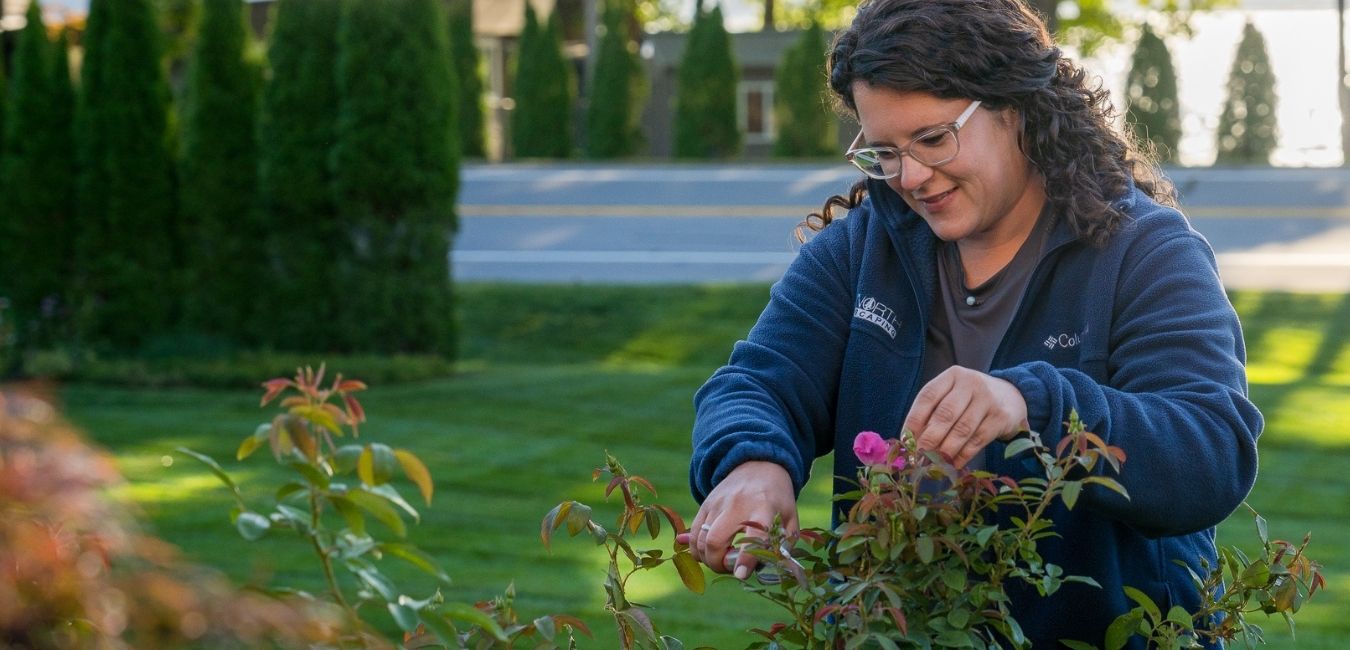
- Trim Leggy Growth: Cut back overgrown stems on petunias, verbena, or million bells by about a third. This feels aggressive, but it triggers a fresh wave of foliage and new flower buds within two weeks.
- Keep Feeding Them: While you stop heavy fertilizing on perennials late in the season, annuals need continuous energy. Feed container plants every two weeks with a liquid bloom fertilizer to power them through September.
- Pinch Dead Blooms: Keep deadheading geraniums, marigolds, and zinnias to prevent seed formation and force continuous color.
Ditch the Sprinkler for Smart Ground-Level Watering
August heat bakes the top layer of soil. Shallow watering evaporates into thin air long before it ever reaches a root. Dragging heavy hoses around in 90-degree heat is no fun, and standard lawn sprinklers lose a ton of water to the afternoon breeze.
Changing your watering habits protects your plants from heat stress while keeping fungal diseases away.
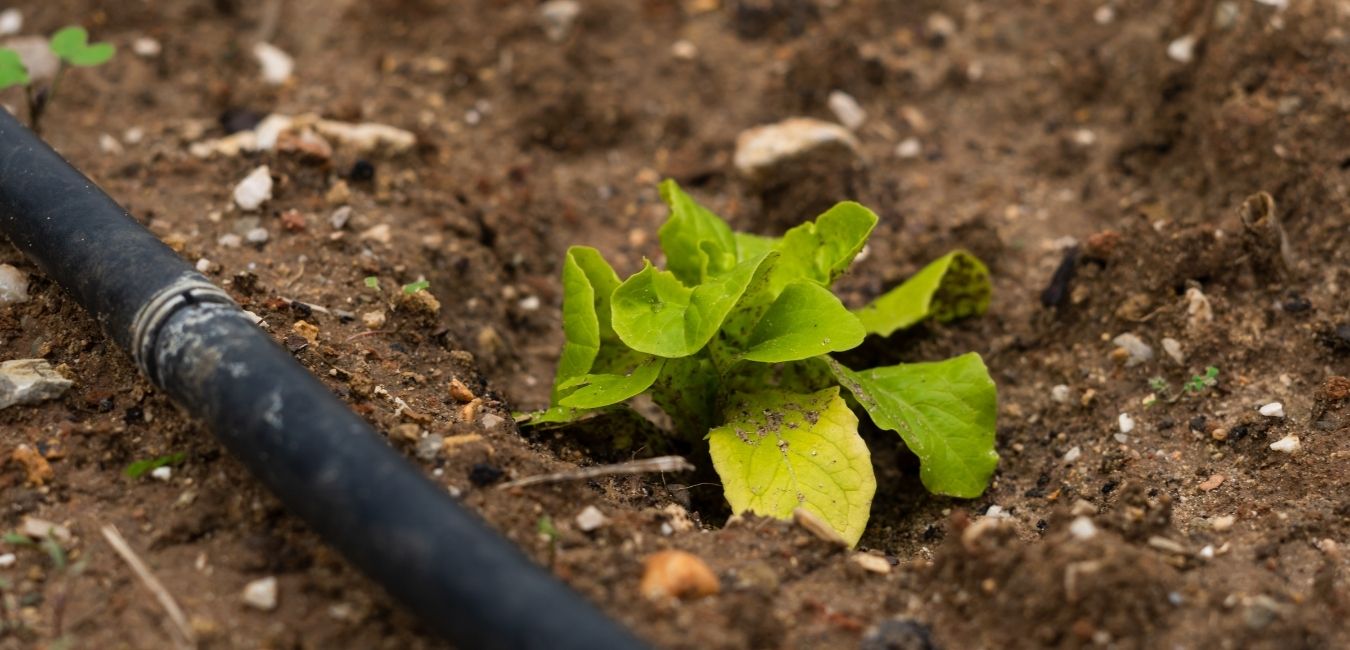
Rubber soaker hoses laid right on the ground under a layer of mulch deliver water directly to the soil while keeping the plant leaves dry. This cuts down on leaf spot and fungal diseases. For newly planted trees without deep root systems, wrapping a 15- to 20-gallon drip bag around the trunk delivers a slow, steady soak right into the root ball over several hours.
If you have sloped flower beds or terraced retaining walls, swap the soaker hose for pressure-compensating drip lines. Water pressure gets uneven on hills, and drip systems keep moisture distributed evenly without running off the surface.
| Watering Method | Where to Use It | Big Benefit |
|---|---|---|
| Soaker Hoses | Flat flower beds & dense borders | Soaks roots directly while keeping foliage dry |
| Drip Lines | Sloped beds & terraced stone walls | Stops water from running off hills |
| Watering Bags | Young trees & new plantings | Gives root balls a slow, thorough soak |
How to Test Moisture and Revive a Dry Lawn Before Fall
When summer temperatures peak across the Leelanau Peninsula, turf naturally slows down or goes dormant to survive the heat. Before turning on the irrigation system, do a quick test to check if your grass is actually dead or just resting.
The Footprint Test
Walk across your lawn and look at your footprints. Well-hydrated grass springs back up after your feet hit the ground. If your steps leave visible marks that stay flattened and the grass looks pale, your lawn is telling you it needs a deep soaking early the next morning.
Timing Your Seed
If you need to patch bare spots or reseed thin areas, mid-August through mid-October is the absolute best time in Northern Michigan. Warm soil combined with cooling night air helps seeds sprout quickly. Sowing seed now gives young roots at least 45 days to grow strong before the ground freezes.
Just hold off on high-nitrogen summer fertilizers for now. Feeding a lawn during peak heat forces unwanted top growth on a stressed root system. Save your fertilizer for early fall when turf naturally shifts its energy down into building deep root storage.

Put Down Fresh Mulch to Shield Bare Ground
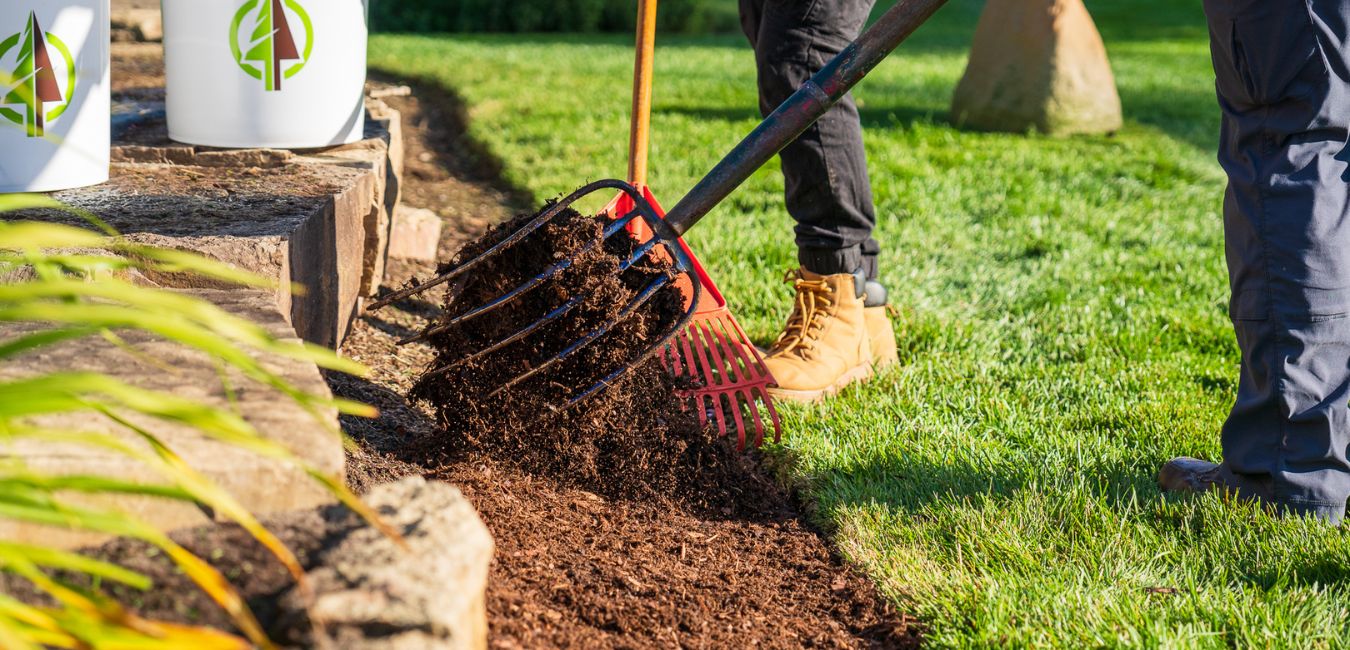
Late-summer heat bakes bare ground into a hard crust that rejects water and gives weeds an easy place to sprout. Fresh mulch acts like a cooling blanket over vulnerable root zones.
Spreading a two-inch layer of clean bark mulch or organic compost keeps soil damp much longer so you don’t have to water as often. It keeps root systems noticeably cooler when August temperatures spike, and it blocks sunlight from reaching stubborn summer weed seeds waiting to take over.
Just make sure to pull mulch back an inch or two from tree trunks and plant stems so the bases get plenty of fresh air circulation.
What Now?
Knowing how to revive a dry lawn and refresh a tired August yard comes down to helping your plants reset their energy. By combining smart pruning, container care, ground-level watering, and early fall lawn prep, you set your whole home up for a vibrant autumn finish.
Ready to take action?
Option 1: Weekend DIY Refresh
Spend a few hours deadheading spent flower stems, trimming leggy annuals, laying down a soaker hose in your driest bed, and running the footprint test on your lawn.
Option 2: Let Us Handle the Heavy Lifting All Year
If you want your landscaping looking sharp every season without lifting a finger, our full-service grounds maintenance covers your property from spring prep to fall cleanup.