
Picture a quiet late-January afternoon in Traverse City. The autumn leaves dropped months ago, fresh powder covers the grass, and most yards look like a monochrome pencil sketch in grey and white.
Then you glance over at a cluster of White Pines, Concolor Firs, and low-mounding Junipers. Their needles catch the winter sunlight, hold soft snow on their branches, and remind you that your yard is very much alive.
Evergreens carry your landscape through our half-year of cold weather. They block freezing wind off the bay, shield your patio from neighboring driveways, and give songbirds a warm spot to roost through frozen nights.
While firs, pines, and spruces get the most attention, you have a deep roster of conifers to pick from up here. Let us walk through how to spot the difference on a weekend walk, which species fit specific spots in your yard, and how to mix them into your outdoor design.
The Quick Needle Test (How to Tell Them Apart)
You don’t need a degree in forestry to identify conifers around your property! The easiest way to tell what you’re looking for is to walk up and inpect the needles up close.
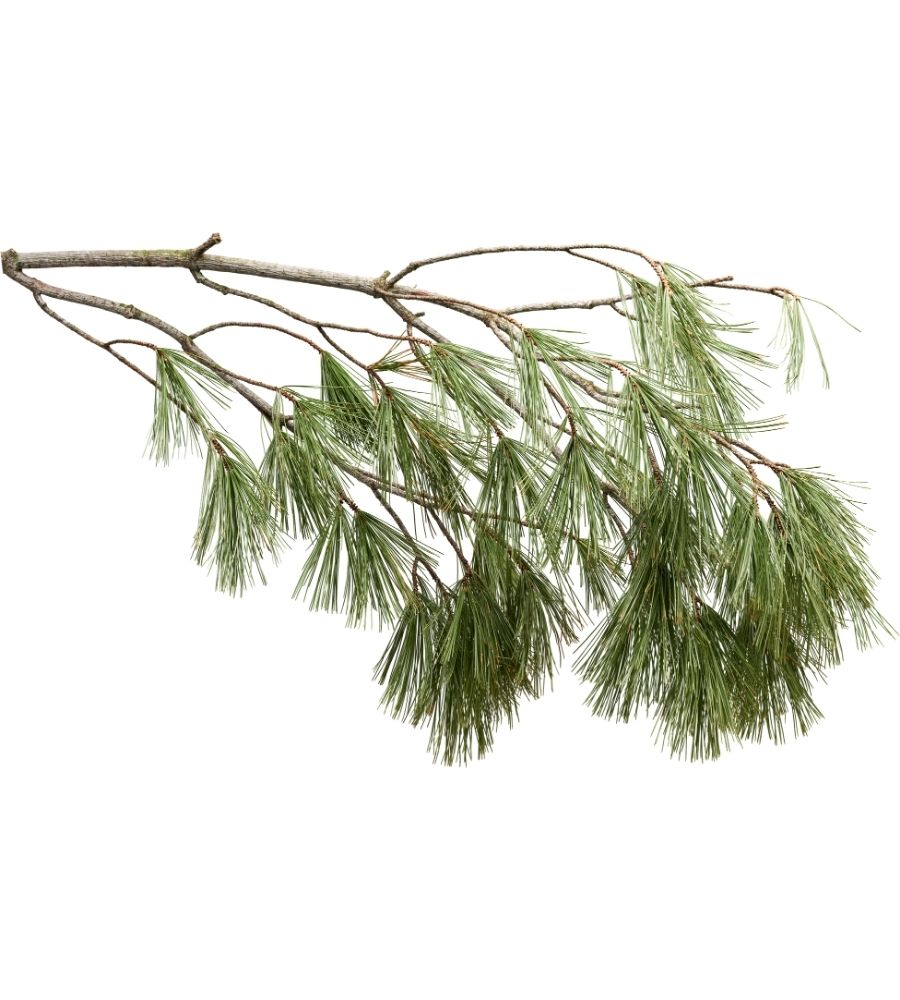
Pines (Needles in Bundles)
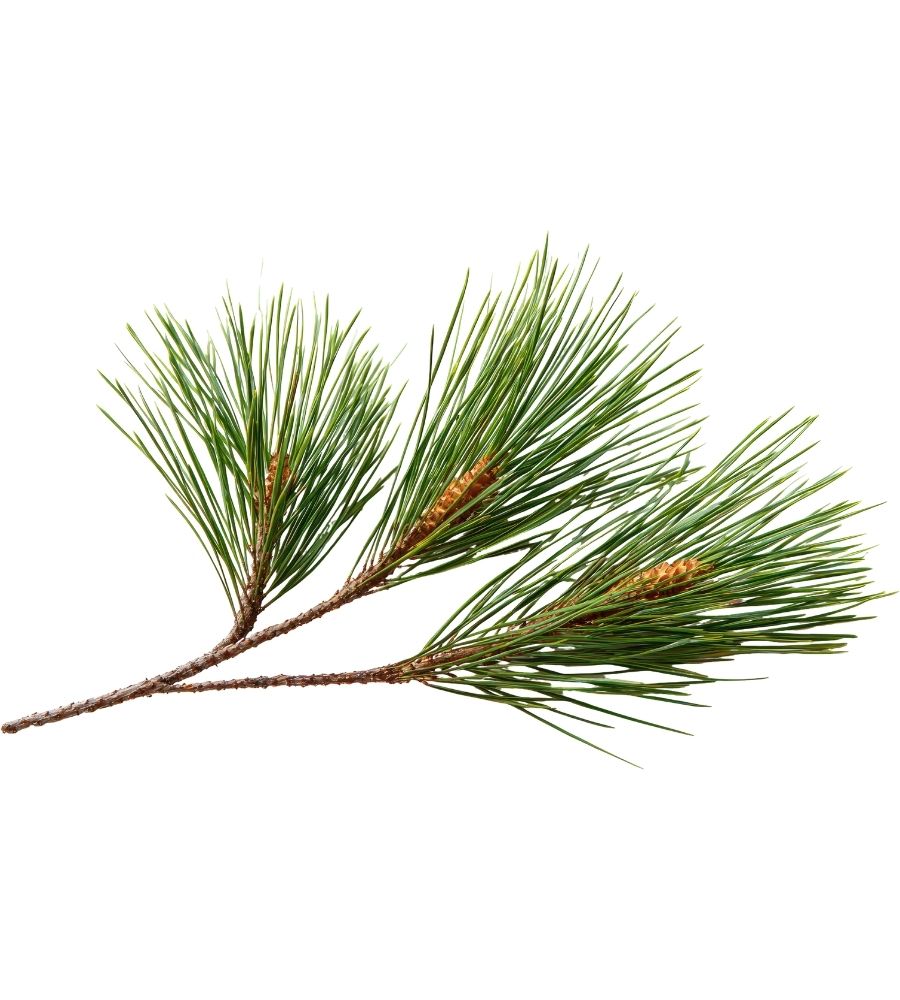
Pine needles don’t grow individually on the stem. They grow wrapped together in little bundles of two, three, or five needles. They feel long, flexible, and soft when you run your hand along them.
Spruces (Sharp and Four-Sided)
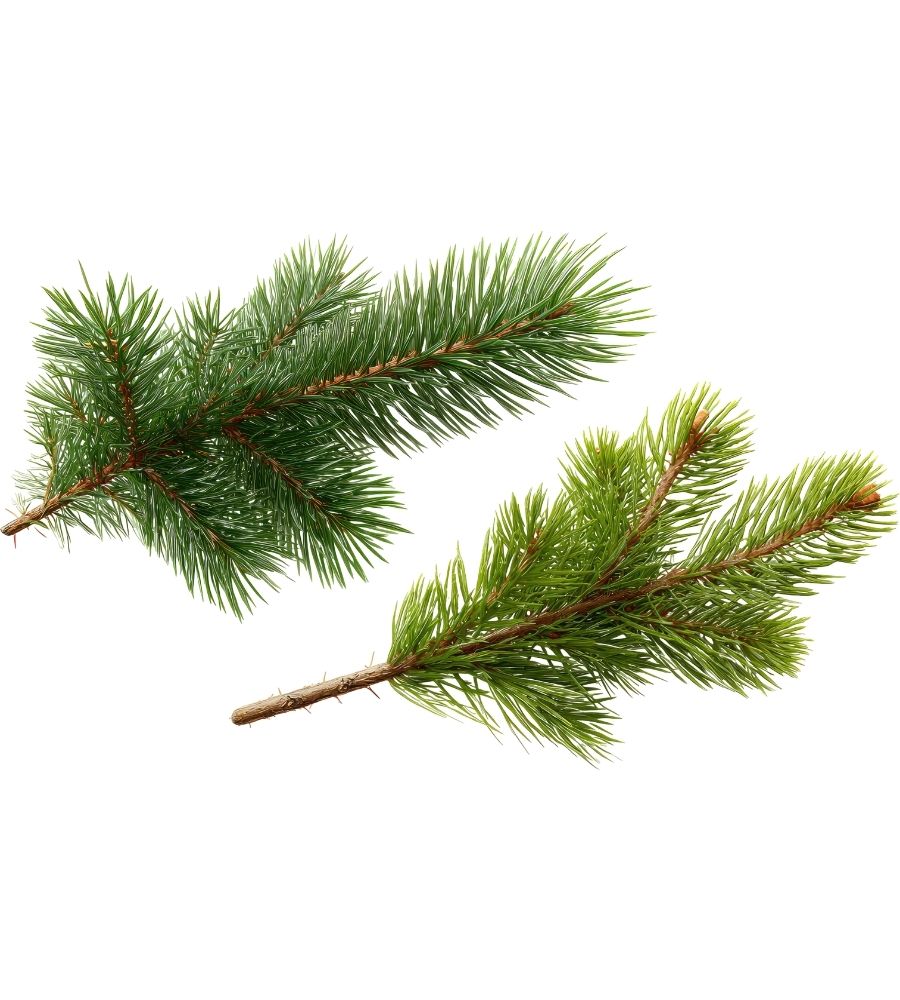
Spruce needles attach individually to rough, woody pegs on the branch. The needles feel short, stiff, and sharp. Remember that Spruce = Sharp. Pluck a needle off and you can easily roll it between your thumb and forefinger because of it’s square shape.
Firs (Soft and Flat)
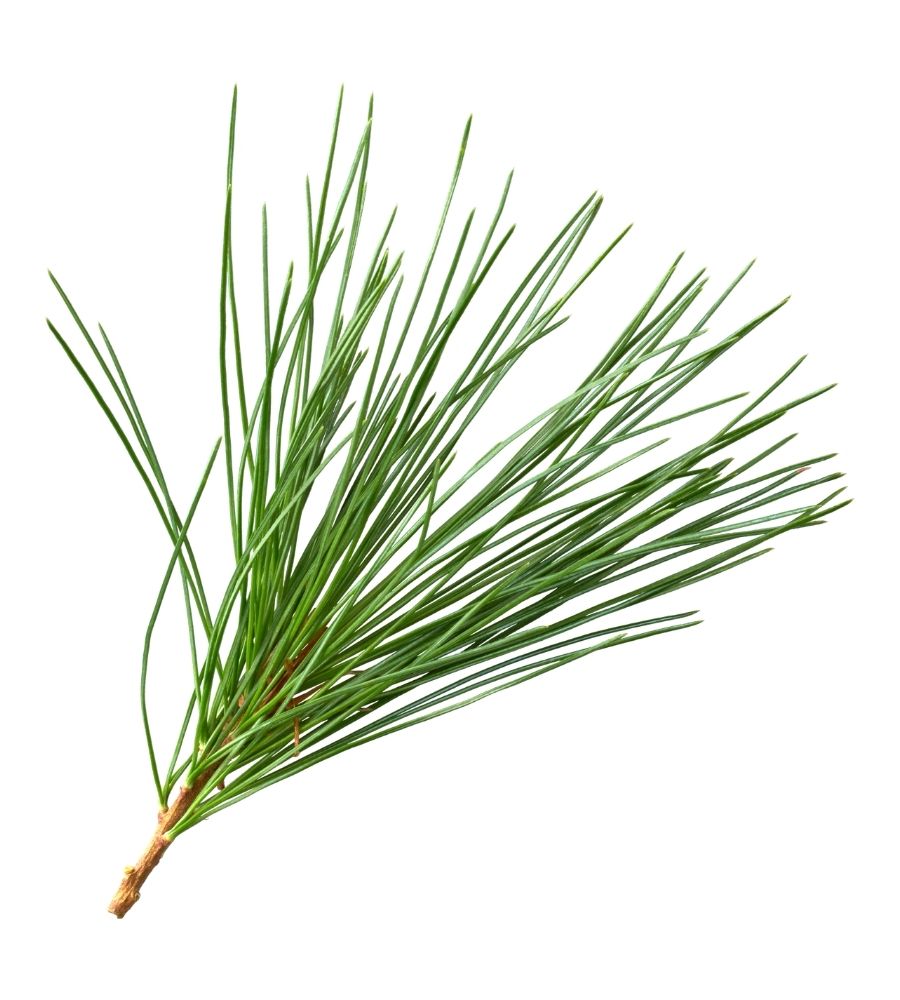
Fir needles also grow individually, but they feel flat and flexible. Remember that Fir equals Flat and Friendly. They leave a smooth, round scar on the stem when pulled off, and they won’t roll easily between your fingers.
Arborvitae and Cedars (Flattened Scales)
These don’t have traditional needles at all. Instead, they feature soft, fan-like sprays of overlapping green scales that feel smooth to the touch.
Matching the Right Evergreen to Your Yard
Different evergreen families bring distinct growth habits, sun needs, and soil tolerance to a landscape project.
| Evergreen Family | Sun & Soil Preferences | Typical Landscape Role | Helpful Details |
|---|---|---|---|
| Fir Trees (Concolor, Fraser, Balsam) | Mildly acidic, moist, well-draining soil; full sun to light shade | Standalone specimen trees, soft lawn accents | Their soft needles make them great near patios and walkways. They struggle in standing water. |
| Pine Trees (Eastern White, Austrian, Mugo) | Acidic, sandy, or gravelly soil; full sun | Windbreaks, shade canopy, ground cover | Eastern White Pine is our state tree. It grows fast and tall, so give it room to expand. |
| Spruce Trees (Black Hills, Norway, Colorado Blue) | Highly adaptable to clay, sand, or loam; loves open sun | Property line screen, windbreak, cold-weather shelter | Extremely tough against cold northern winds. Their pokey needles keep deer from browsing. |
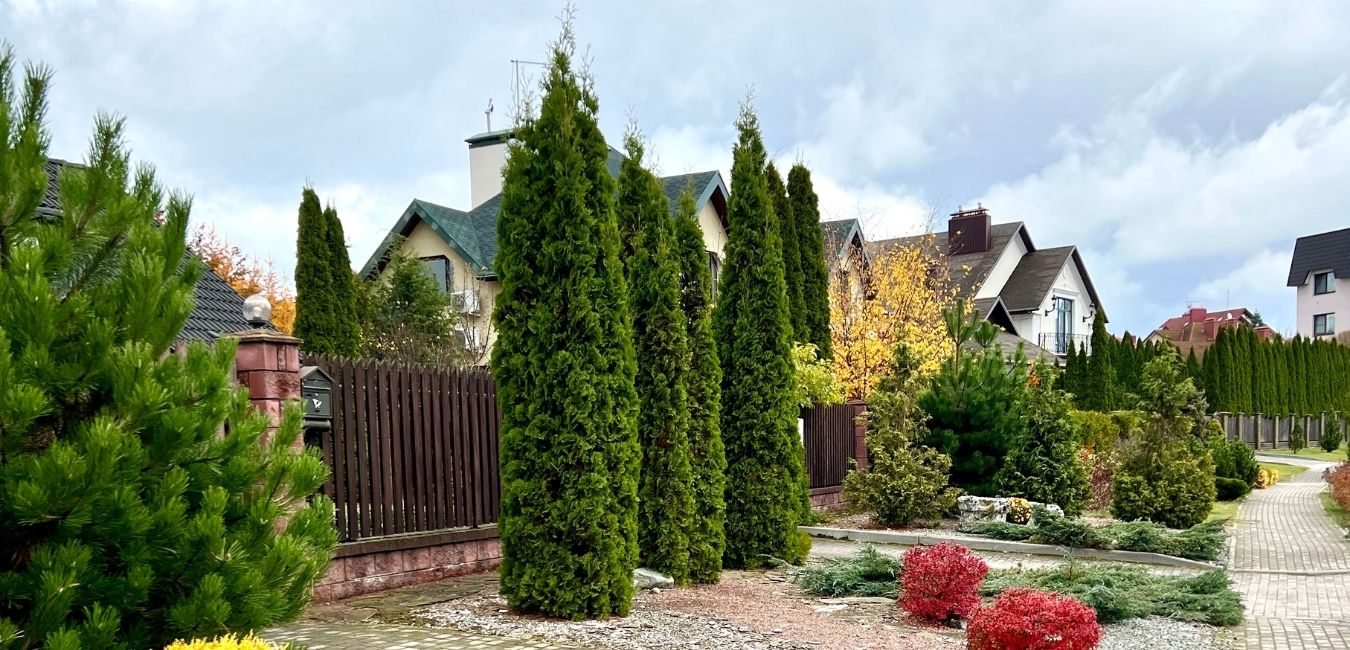
| Arborvitae (Green Giant, Emerald Green) | Rich, moist soil; full sun to partial sun | Narrow privacy hedges, living fences, property borders | Perfect for tight spaces between houses where you need height without wide branch spread. |
| Junipers and Yews (Creeping Juniper, Taxus) | Tolerates rocky, dry, or poor soil, partial to full sun | Foundation plantings, ground cover, garden bed structure | Excellent low-growing options that fill in under taller trees without blocking windows. |
Creative Ways to Layer Evergreens Into Your Landscape
You don’t have to plant a single tree in the middle of the lawn and call it a day. Modern landscape design uses conifers to build functional outdoor spaces that look great every month of the year.
Living Privacy Fences Along Property Lines
A planted row of Green Giant Arborvitae or Black Hills Spruce gives you year-round screening from road traffic or neighbors without the cold, industrial look of a tall wooden fence.
Multi-Tiered Garden Beds
Pairing tall upright spruces with mounding Mugo Pines, spreading Junipers, and broadleaf shrubs creates depth. The different shades of emerald, blue-green, and gold keep garden beds interesting even when perennials are dormant under snow.
Windbreaks for Outdoor Living Spaces
Planting a dense curve of Norway Spruce on the northwest side of your patio creates a natural shield against winter wind gusts, making early spring and late autumn bonfires much warmer.
Potted Patio Conifers
If you want flexibility, grow a dwarf conifer in a large decorative planter on your deck. Enjoy the greenery through summer, use it as a living holiday tree near your entrance in December, and plant it directly into your garden beds when the soil thaws in April.
Building Your Landscape Plan
Choosing the right trees comes down to understanding your soil drainage, available sunlight, and how much space a mature tree needs over time.
Talk with Our Landscape Design Team
If you want to add year-round color and natural privacy to your Northern Michigan home, reach out to our team! We can look at your site conditions and build a custom planting plan that fits your property.
Get started today with a consultation!
ENJOYED THIS ARTICLE?
Sign Up For Our Free Newsletter
Join your neighbors twice a month for seasonal property tips, practical reminders, and design inspiration for your Northern Michigan home.