
Have you ever hiked a trail and happened upon a woodland area cloaked in moss? It is a breathtaking marvel of nature, invoking a sense of peace and serenity. Imagine replicating a piece of that utopia in your garden. It is possible!
Often, we struggle to create a perfect lawn in that shady section of the yard or ponder what we should do in the shadow of our gardens. Confronted with the challenges of a shady area, many times we tempt fate, wanting a particular plant to prosper where it is ill-suited. Wise gardeners understand the soil and lighting conditions of their gardens and select the appropriate plants, but shady locations challenge even the most avid gardeners.
If we take our cues from nature, however, we might consider incorporating moss into that shady spot on our property.
Why Moss is the Perfect Low-Maintenance Solution
Moss is the oldest terrestrial plant species on earth, but mosses have recently become more widely appreciated as gardeners explore incorporating them within their gardens. Moss might just be the perfect alternative and solution to a challenging, shady location in your garden. What’s more, even those with a “not-so-green thumb” can successfully implement moss as a sustainable solution to the challenges of a shady area. Whether you want to convert a small section of lawn, or simply add another texture to your garden, moss has only a few simple requirements: a little shade, a little water, and a little patience.
Some plants can be finicky, but moss is a great choice for even the most novice gardener:
- Soil Conditions: It does not require ideal conditions, preferring a more compacted, slightly acidic soil that is well-drained.
- Zero Upkeep: Moss does not require weekly watering, mowing, or fertilizer in order to survive and prosper.
- Seasonal Maintenance: In fact, once established, moss will require minimal maintenance; only supplemental watering during times of drought and removal of leaf debris from the moss in the fall.
Understanding the Two Main Types of Moss
Any moss you plan to add to your shade garden will inevitably be of two types:
- Acrocarpous Moss: an upright, clumping type of moss that generally grows in height and thickness before spreading outward.
- Pleucarpous Moss: grows by spreading horizontally across the ground.
Each moss type has unique characteristics and textures that serve well to accent other shade-tolerant plantings within your garden. A few mosses that you may wish to consider in your garden are: Sheet Moss, Cushion Moss, Hair Cap Moss, and Fern Moss.
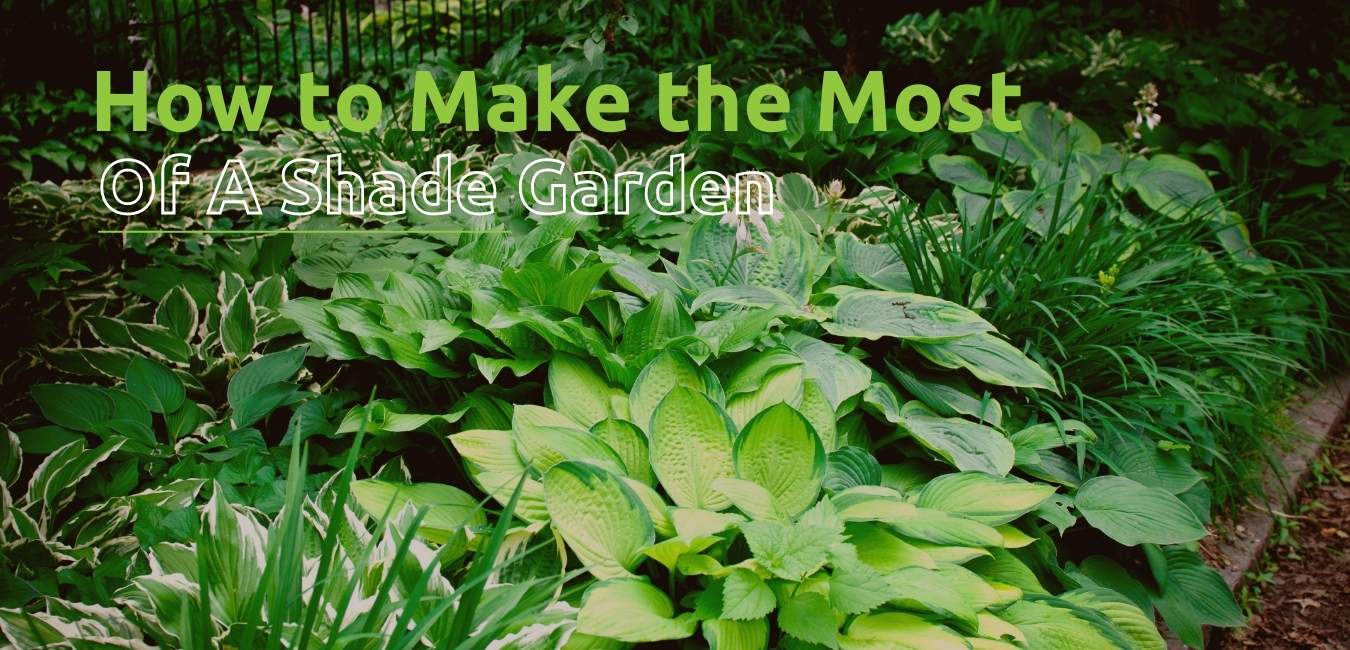
Shade-Loving Companion Plants
To create beautiful contrasts in texture and color with your new moss carpet, consider pairing it with these traditional shade-loving plants:
- Hosta
- Fern
- Lady’s Mantle
- Coral Bell
If you prefer a more native woodland planting in your garden, consider using Trillium, Solomon’s Seal, and Jack-in-the-Pulpit as an accent to moss.
How to Prepare and Plant a Moss Garden
Preparing the intended area for moss is a relatively easy process.
- Step 1: Clear the Site. Remove all weeds, grasses, nonnative plants, and any other roots or debris from the area.
- Step 2: Grade the Soil. The soil should be loosened and evenly graded to create a smooth surface.
- Step 3: Transplant. Saturate the soil with water, and transplant the moss in evenly spaced 2”- 6” clumps throughout the intended garden area.
- Step 4: Establish Contact. Firmly press the moss clumps into the soil to ensure good contact between the moss and the soil bed.
- Step 5: Water Heavily. Finally, saturate the moss and soil again. To ensure it prospers, keep the moss moist for 2-3 weeks and water periodically throughout the balance of the first year to help the moss become established.
Once past the first year, your moss should require little supplemental watering, with the exception of extreme drought.
Sourcing Your Moss
You may have the good fortune of being able to collect moss from your own property, or a friend or neighbor’s yard, for transplanting to your future moss garden. If not, moss can be purchased from online sources. These suppliers are a great source of a variety of mosses as well as information on everything moss.
With the right conditions, a little shade, a little water, and some patience, moss is a great alternative, adding a tapestry of different textures to that shady spot within your landscape.
If you don’t have a spot to create your own moss garden outside, consider an indoor moss garden. Moss is a very adaptable plant and works well in a variety of containers, a terrarium, or even with a bonsai. With a little creativity and proper care, moss can be enjoyed by all.
As featured in Michigan Home and Lifestyle magazine Spring 2016.
Curious about other types of plantings? Check out these blogs featured in our Planting Series!


Get started today with a consultation!

Want tips and tricks for your lawn & landscaping?
Sign Up For Our Free Quarterly Newsletter
We take your personal information very seriously. We will not share any of the information you provide with any 3rd parties. Provided information will be used specifically to contact you in regards to your inquiry.